The island of Susak – a unique combination of sandy beaches, cultural authenticity, and a peaceful atmosphere
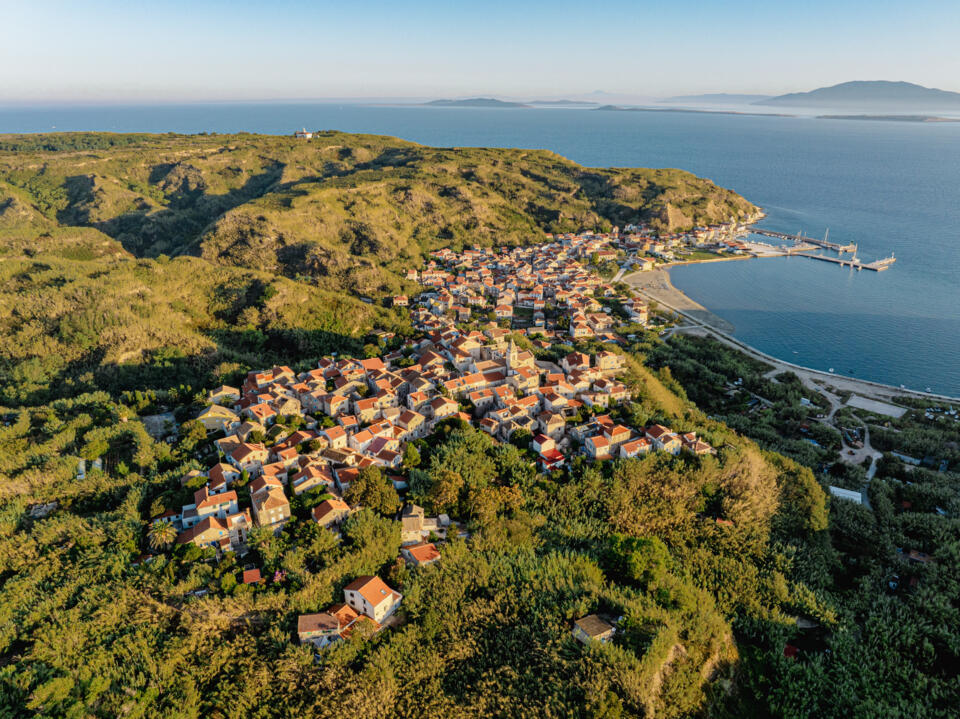
The island of Susak is located in the northern Adriatic region of Kvarner, southwest of Lošinj, and represents one of the most distinctive geographical and cultural phenomena among Croatian islands. Its most notable feature is its geological composition—unlike typical Adriatic karst islands made of limestone, Susak is covered with thick layers of loess and sand. This results in a gentle landscape without steep cliffs and with numerous sandy coves, which are rare in the Adriatic. The coastline is mild and accessible, suitable for smaller vessels, with the main entry points being the port of Susak and Bok Bay.
From a historical perspective, Susak has a particularly unique demographic story. Although inhabited since ancient times, the most significant changes occurred during the 20th century, especially after World War II. At that time, a large portion of the population emigrated, mainly to the United States, particularly to New Jersey. The reasons were primarily economic—limited natural resources, isolation, and lack of development opportunities encouraged residents to seek a better life abroad. It is estimated that today more people of Susak origin live in the United States than on the island itself.
Despite this emigration, the islanders have preserved a strong sense of identity. Susak is known for its unique dialect, significantly different from standard Croatian and influenced by Romance languages. The traditional costume, especially the female attire, is among the most recognizable in Croatia, featuring a short, colorful skirt and layered decorations. During the summer, many descendants of emigrants return, reviving the social life and maintaining traditions.
For nautical tourism, Susak is both attractive and somewhat demanding. While it offers a secure marina with 23 berths, sailors must carefully monitor weather conditions while on anchor as the island lacks many fully sheltered bays. Nevertheless, its unique sandy beaches, cultural authenticity, and peaceful atmosphere make it highly appealing for those seeking a different Adriatic sailing experience.
Photo: Hrvoje Serdar/Mali Lošinj Tourist Board